
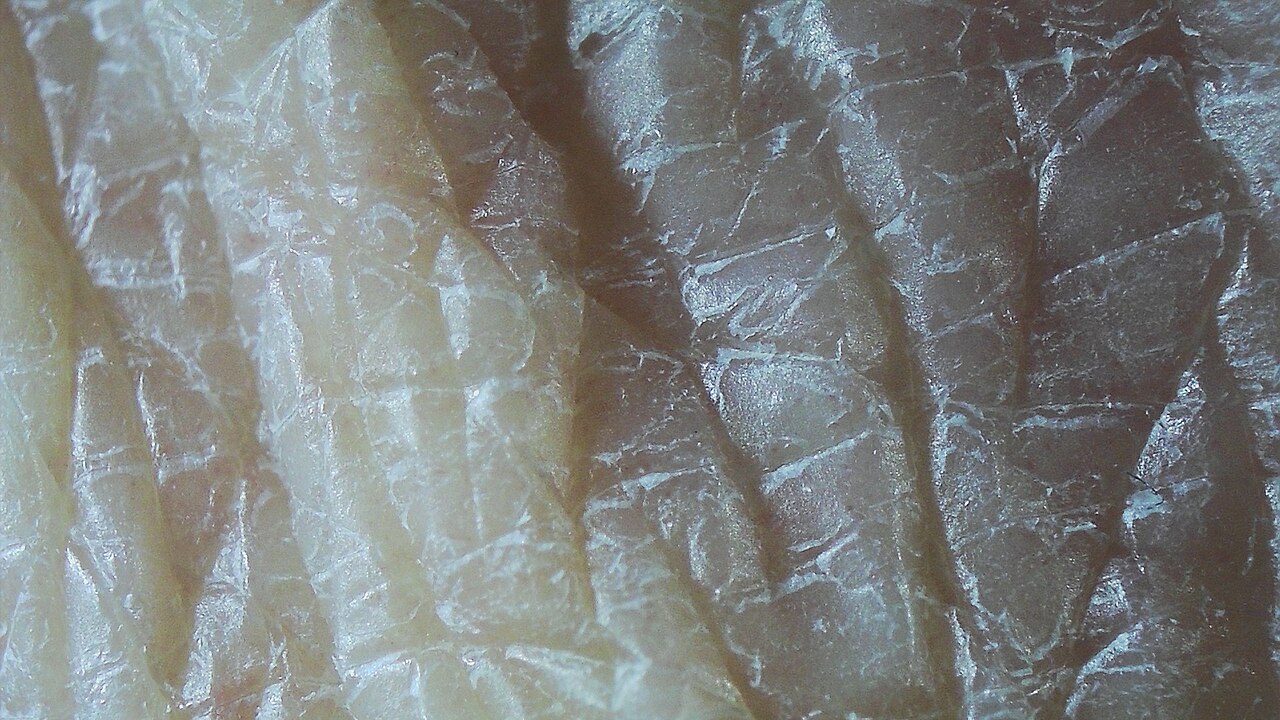
Pores have no muscles, so they cannot open or close on command. We unpack where the myth came from and what actually changes how your pores look.
Quick look
- Pores are fixed-size openings connected to hair follicles and oil glands, and they cannot physically open or close.
- Warm water loosens oil and debris inside pores so they look smaller once cleared, but it does not change pore size.
- Excess oil, clogged dead skin, collagen loss from ageing and sun exposure all make pores look larger.
- Ingredients such as salicylic acid, benzoyl peroxide and adapalene have evidence behind them for keeping pores clear.
- Lukewarm water is the safest choice, since very hot or very cold water can irritate skin.
Hot shower, splash of cold water, pores opened then closed. It is one of the most repeated skincare tips around, passed on in tutorials and by well-meaning friends. The trouble is that it does not hold up: pores have no muscles, so they cannot open or shut the way we imagine. Here is what is actually happening, and what you can realistically do about visible pores.
The Myth: Hot Water Opens Pores, Cold Water Closes Them
The belief survives because it feels true. After a steamy facial, skin looks and feels different; after an icy splash, it feels tight. But dermatologists are clear that pores are not windows or doors. They are more like pipes, and nothing can physically make them bigger or smaller on demand. What you are noticing is a temporary change in skin texture, temperature and blood flow, not a change in pore size.
There is a small twist with cold water. Tiny muscles called arrector pili muscles sit alongside each hair follicle, and they contract involuntarily, which is what causes goosebumps. Cold can make these muscles flex and slightly block a pore’s opening for a moment, but this is not the pore itself closing, and the effect does not last. Cold water also constricts blood vessels, which can temporarily calm redness and puffiness, though water that is very cold can irritate sensitive skin or trigger rosacea flare-ups.
What Pores Actually Are and Why They Stay the Same Size
Pores are tiny openings in the skin that let oil and sweat reach the surface. Each one is connected to a hair follicle and a sebaceous gland, the gland that produces oil. They cover almost the whole body, apart from the palms of your hands and the soles of your feet.
Because pores are not connected to muscles, they sit in a fixed state. Their baseline size is largely set by genetics and your natural skin type, so people with oily or thicker skin tend to notice their pores more. That is not a flaw; it is just how the skin works.
Why Pores Can Look Bigger: Oil, Debris and Age
Although pore size is fixed, how visible pores are changes all the time. Dermatology sources point to a few main reasons:
- Excess oil. Sebum collects inside the pore and stretches it out from within, which is why pores around oily areas such as the nose often look most prominent. Hormonal shifts during puberty, pregnancy and menopause can increase oil production and pore visibility.
- Clogging. Dead skin cells and debris block the pore, forming blackheads and whiteheads, and the pore stretches to accommodate them.
- Loss of elasticity. Collagen production falls as we age, and sun exposure damages skin cells and their ability to generate collagen. As skin loses firmness, pores look larger because the skin around them is no longer taut.
One related myth worth clearing up: dirty skin does not cause large pores. Keeping skin clean helps prevent clogging, but pore size has far more to do with genetics, oil production and collagen than with washing habits.
Can Any Product Really Shrink Pores?
No product can permanently change pore size. Treatments marketed as pore-shrinking work in a different way: they clear debris from inside pores, boost collagen around pore openings and speed up cell turnover, all of which make pores appear smaller without altering their structure. That is a genuine, visible difference, just not the structural one the packaging sometimes implies.
What Steam and Exfoliation Genuinely Do
Steam and warm water are not useless; they just do something different from opening pores. Warm water can loosen the oil, dead skin and grime that have collected inside pores, making the material easier to flush out. Once pores are clear rather than stretched with blockages, they typically look smaller, and you reduce the chance of breakouts too.
The temperature matters. Water that is too hot can strip the skin of moisture, break down proteins in the skin and disrupt the barrier, leaving it more prone to dryness, irritation and breakouts. Lukewarm is the safest bet: warm enough to lift dirt and oil, gentle enough to leave the barrier intact.
Little trick: Keep cleansing gentle. Scrubbing can irritate skin and make acne worse, and harsh scrubs, astringents and antibacterial soaps tend to do more harm than good.
Exfoliation helps on the same principle, removing the dead skin cells that would otherwise clog pores and stretch them. Salicylic acid and glycolic acid are commonly used for this. Choose an exfoliant suited to your skin type and resist the urge to over-exfoliate.
Ingredients With Evidence Behind Them
If you want products that keep pores clear, look for these:
| Ingredient | What it does | Worth knowing |
|---|---|---|
| Salicylic acid | Helps unclog pores and is available over the counter for spots | A pharmacist can advise on use |
| Benzoyl peroxide | Reduces acne bacteria and helps with blackheads and whiteheads | Usually starts working within 4 weeks; see a GP if acne has not improved after 12 weeks. Start with the lowest strength, and use sunscreen as it makes skin more sun sensitive |
| Adapalene 0.1% gel | An over-the-counter retinoid that helps unclog pores | Often paired with benzoyl peroxide for better results |
Retinoids more broadly are considered the gold standard for pore appearance because they speed up cell turnover and support collagen production. Non-comedogenic skincare and makeup, meaning products designed not to clog pores, are another easy win. If you wear foundation, choosing non-comedogenic formulas matters as much as getting the match right, which our guide to finding your foundation shade covers. Keeping pores clear also gives any makeup a smoother base, whether that is a full face or a five-minute everyday routine.
When Visible Pores Are Worth Talking to a Professional About
Most visible pores are a normal feature of skin rather than a problem. It is worth seeing a GP if you have deep, painful spots or lumps under the skin, since these need more than over-the-counter treatment, or if you notice signs of a skin infection such as hot, swollen or red skin. A GP can prescribe treatments you cannot buy over the counter or refer you to a dermatologist, who may offer options such as treatments that boost collagen around pore openings. What no one can offer, honestly, is a pore that opens and closes on command, so you can save the icy splashes for hot summer days instead.
Ask away
Does splashing cold water close your pores?
No. Cold water can constrict blood vessels and make skin feel tighter, and it may flex tiny muscles next to hair follicles, but the pore itself does not change size. The effect is temporary and purely about appearance.
Is steaming your face good for pores?
Steam softens the outer layer of skin and loosens oil and debris inside pores, which makes them easier to cleanse and less noticeable. Keep the water warm rather than hot, as very hot water can strip moisture and irritate skin.
Can any product permanently shrink pores?
No product can permanently change pore size, which is largely set by genetics. Some ingredients can improve how pores look by clearing blockages, speeding up cell turnover and supporting collagen around pore openings.
What water temperature should I use to wash my face?
Lukewarm is generally the safest bet. It is warm enough to help lift dirt and oil without stripping the skin’s moisture barrier, unlike hot water, which can lead to dryness and irritation.
This article is general information, not medical advice. For skin, scalp or allergy concerns, speak to a pharmacist, your GP or a dermatologist. In an emergency, call 999.