
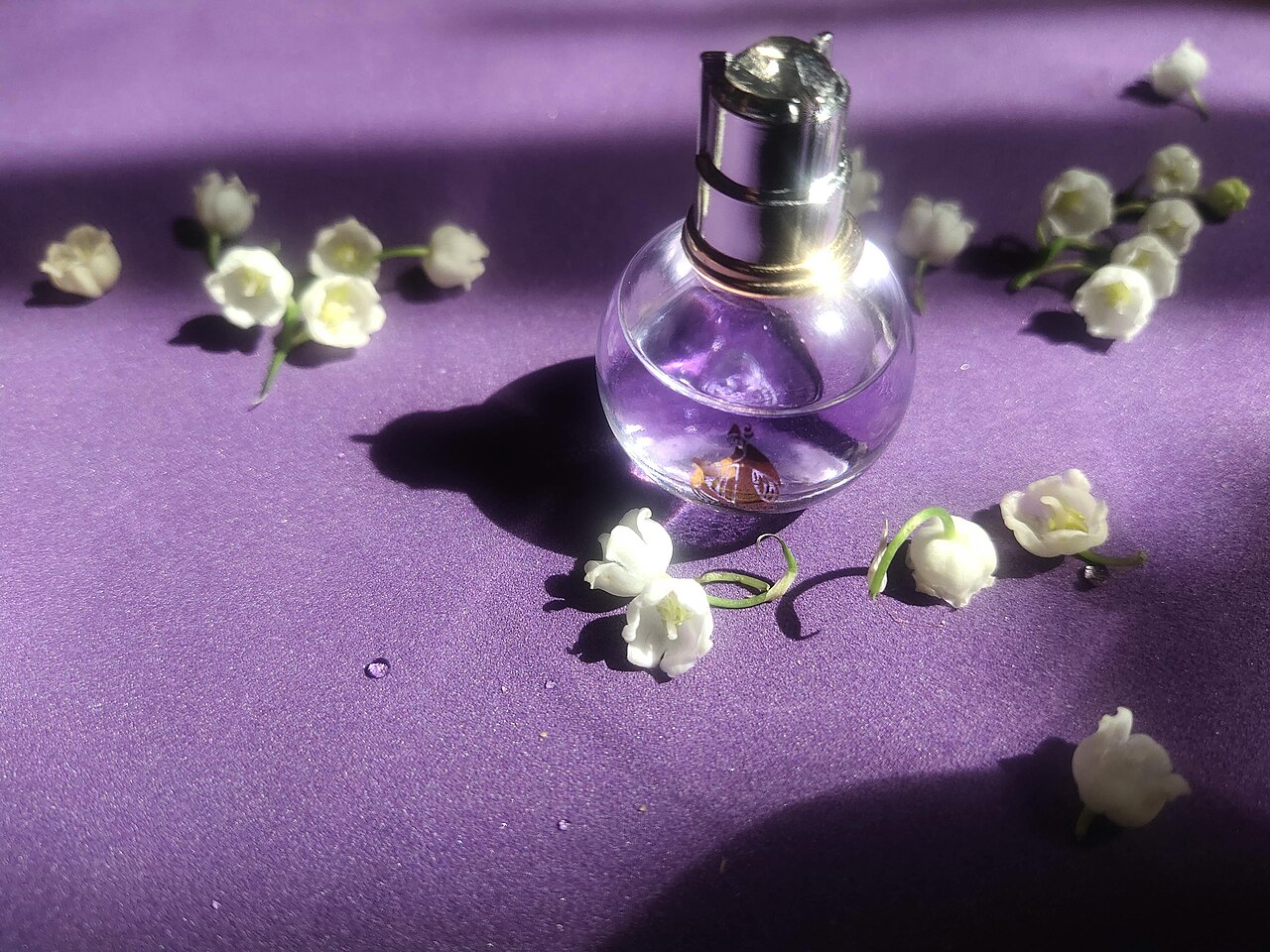
A higher price does not guarantee a longer-lasting scent. Here is what concentration, fragrance notes, skin type and storage really do for staying power.
Quick look
- Concentration matters: eau de parfum holds 15 to 20 per cent fragrance oil and typically lasts 6 to 8 hours, while an eau de toilette lasts 3 to 4 hours.
- Price is not a longevity guarantee, because concentration categories overlap between brands and fresh citrus compositions fade quickly by design.
- Top notes usually fade within 15 to 30 minutes, while base notes such as musk, vanilla, sandalwood and amber last 6 to 8 hours or longer on clothing.
- Dry skin lets scent evaporate faster, so spraying perfume onto moisturised skin at pulse points extends wear at no extra cost.
- Heat, light and humidity degrade perfume over time, so a cool, dark drawer beats a bathroom shelf.
The price tag on a perfume bottle carries a quiet promise: pay more and the scent will still be there by evening. Sometimes it is. Other times a modestly priced bottle outlasts one costing several times as much, and the reasons are more ordinary than magic. Knowing what concentration labels, fragrance notes, your skin and your storage habits actually do makes it much easier to spend sensibly.
Myth or Fact? Price Always Predicts Staying Power
Verdict: mostly myth, with a grain of truth.
The grain of truth is that staying power is driven largely by the concentration of fragrance oil, and higher concentrations generally cost more because the bottle holds more of the perfumer’s composition. An eau de parfum will usually outlast the eau de toilette version of the same scent, and it is usually the pricier of the two.
Beyond that, price is a poor guide. Concentration categories are reference points rather than fixed rules: their percentage ranges overlap, and fragrance houses use the terms differently. Nor does concentration tell you how a perfume will smell, how far it will carry or how long it will stay noticeable, because those depend on the whole formula and the materials in it. A bright citrus eau de parfum can fade faster than a musky eau de toilette, simply because of the notes involved. Skin type, application, storage and even the weather all shift the outcome too, which is why two people can wear the same expensive perfume and get very different results.
What Eau de Toilette, Eau de Parfum and Parfum Actually Mean
At its simplest, a perfume is fragrance concentrate dissolved in alcohol, often with a splash of water in the mix. The concentration label describes how much of that concentrate sits in the finished bottle: a perfume formulated at 20 per cent holds roughly one fifth fragrance concentrate. That figure drives how strong the scent smells and roughly how long it lasts, although, as above, it is not the whole story.
The common categories look like this.
| Type | Typical fragrance oil | What to expect |
|---|---|---|
| Eau de Cologne | 2 to 5 per cent | Light and fresh, fades fastest |
| Eau de Toilette | 5 to 15 per cent | Often around 3 to 4 hours |
| Eau de Parfum | 15 to 20 per cent | Often around 6 to 8 hours |
| Parfum or Extrait | 20 to 30 per cent | Usually the longest wear |
Treat those ranges as a guide rather than a rule. The categories overlap and are not universal standards, so one brand’s eau de toilette may be richer than another’s eau de parfum. If you love a scent that only comes in a lighter format, reapplying once or twice during the day is normal and works perfectly well.
Why Some Notes Fade Faster Than Others
Perfumes are built in three layers. Top notes are what you smell immediately, heart notes emerge after a few minutes, and base notes linger for hours.
The top layer is made of the most volatile ingredients, such as citrus oils like lemon, bergamot and mandarin, along with fresh herbs. These give a burst of brightness, but they rarely survive past the half hour mark, with 15 to 30 minutes being the typical window. Heart notes then carry the scent for a few hours before the base takes over. Base notes, the dense materials such as sandalwood, vanilla, musk and amber, last 6 to 8 hours on skin and sometimes even longer on clothing.
This is why fresh, citrus-led fragrances always seem to vanish quickly. It is not a sign of poor quality, it is simply how those molecules behave. A scent anchored by heavy base notes will cling for longer at any price point.
“Your Skin Chemistry Changes the Scent”: How True Is It?
Mostly true. Your own body has a real say in the matter, shaping how many hours a perfume survives, the order in which the notes appear and whether the end result matches what you sniffed on the tester card. Skin pH, oil content, hydration and temperature all influence how fragrance molecules behave and evaporate.
The practical upshot is simple. Skin that carries more oil or moisture keeps a scent going for longer, while parched skin lets it slip away faster, and skincare products can change how a fragrance behaves on you. If perfume never seems to last on you, naturally dry skin may be the reason rather than the bottle.
You can use this to your advantage. Applying an unscented moisturiser or a light body oil before spraying gives the fragrance something to cling to, and many people find it noticeably extends wear.
Skin sensitivity is individual too. If jewellery metals make your skin flare up, our guide to jewellery for sensitive skin covers which materials are usually kindest, and the same idea of learning your own triggers applies to fragrance.
Does Storage in the Bathroom Really Ruin Perfume?
Fact. Heat, direct sunlight and humidity all degrade fragrance over time, which is exactly what a bathroom shelf or a sunny windowsill provides. A bottle kept in a cool, dark place will stay closer to how it smelled on day one for much longer.
This is the same principle that applies to the rest of your beauty stash. Our guide to how long makeup lasts explains how to read the open-jar symbol on cosmetics, and perfume rewards the same attention to where it lives. A bedroom drawer, ideally with the bottle in its original box, is the easiest fix. The cool, dark storage we suggest for everyday jewellery suits perfume just as well.
Habits That Quietly Shorten a Scent
Two habits catch most people out. The first is rubbing your wrists together after spraying. The friction generates heat that breaks down the delicate top notes, so the opening smells flatter and the whole scent fades sooner. Let perfume dry naturally instead.
The second is spraying into the air and walking through the cloud, which wastes most of the product. Target warm pulse points instead, such as the sides of the neck, the inner wrists and behind the ears. The warmth in those spots helps diffuse the scent gradually through the day.
Conditions matter as well. On baking hot days, in dry air and in well-ventilated spaces, scent lifts off the skin and drifts away far more quickly, while cooler temperatures help it hold on. Expect a perfume to behave differently on a scorching afternoon than on a frosty morning, even from the same bottle.
Little trick: Spray onto moisturised skin at your pulse points, then leave it to dry without rubbing. It costs nothing and often adds more wearing time than a pricier bottle would.
Paying More Without Getting More: Where the Money Goes
Part of what you pay for is concentration and composition. Richer formats contain more fragrance concentrate, and a well-composed perfume balances natural ingredients, synthetic molecules and fixatives to shape how the scent unfolds. Ingredient choice matters for longevity too, because some raw materials are more stable and longer lasting than others.
Safety rules shape formulas as well. The IFRA Standards set the maximum dose of fragrance ingredients in finished consumer goods: some materials are banned outright, others are limited to quantities considered safe, and some carry purity or origin requirements. The Standards are compulsory for IFRA members, who produce around 80 per cent of the global volume of fragrance, and suppliers confirm compliance through a Certificate of Conformity for a given intended use. Formulas also contain functional ingredients, such as solvents, antioxidants and UV absorbers, which keep the mixture stable rather than adding scent.
What a high price does not guarantee is longevity. Not every perfume is designed to last all day, and a shorter-wearing scent can be a deliberate creative choice rather than a sign you were overcharged. Because concentration labels are not fixed standards, two bottles at very different prices can hold similar amounts of fragrance oil.
How to Get Good Value at Any Price Point
Value comes from matching the bottle to your day, not from chasing the biggest number on the shelf.
- Pick the format that fits. A light eau de toilette is pleasant for a few hours out, and topping up is fine. For long days or big occasions, an eau de parfum or parfum with strong base notes will serve you better.
- Judge a scent on your own skin, after a few hours. The top notes fade within 15 to 30 minutes, so a paper strip or a first sniff tells you little about how it will wear.
- Build a base for it. Unscented moisturiser first, pulse points second, no rubbing.
- Store it properly. Cool, dark and dry, in the box if possible.
- Choose notes that last when longevity matters. Musk, amber, vanilla and sandalwood outlast citrus and green notes every time.
Do these things and even a modest bottle will outperform its price. The most expensive perfume in the world will not last on dry skin in a hot room, sprayed on in a hurry and rubbed away, so the cheap fixes are worth doing first.
Ask away
Which lasts longer, eau de parfum or eau de toilette?
Eau de parfum usually lasts longer. It contains 15 to 20 per cent fragrance oil compared with 5 to 15 per cent in an eau de toilette, and typically wears for 6 to 8 hours rather than 3 to 4.
Why does my perfume fade so quickly?
Common reasons include dry skin, a light concentration, fresh top notes that evaporate fast, and storage somewhere warm or humid. Rubbing your wrists together after spraying also breaks down the top notes.
Is expensive perfume better quality?
Not automatically. Price usually tracks the concentration and the brand, but concentration alone does not tell you how strong or long-lasting a fragrance will be on your skin.
Where should I store perfume at home?
Somewhere cool, dark and dry, such as a bedroom drawer, ideally in its original box. Bathrooms combine heat, light and humidity, all of which degrade fragrance over time.
This article is general information, not medical advice. For skin, scalp or allergy concerns, speak to a pharmacist, your GP or a dermatologist. In an emergency, call 999.