
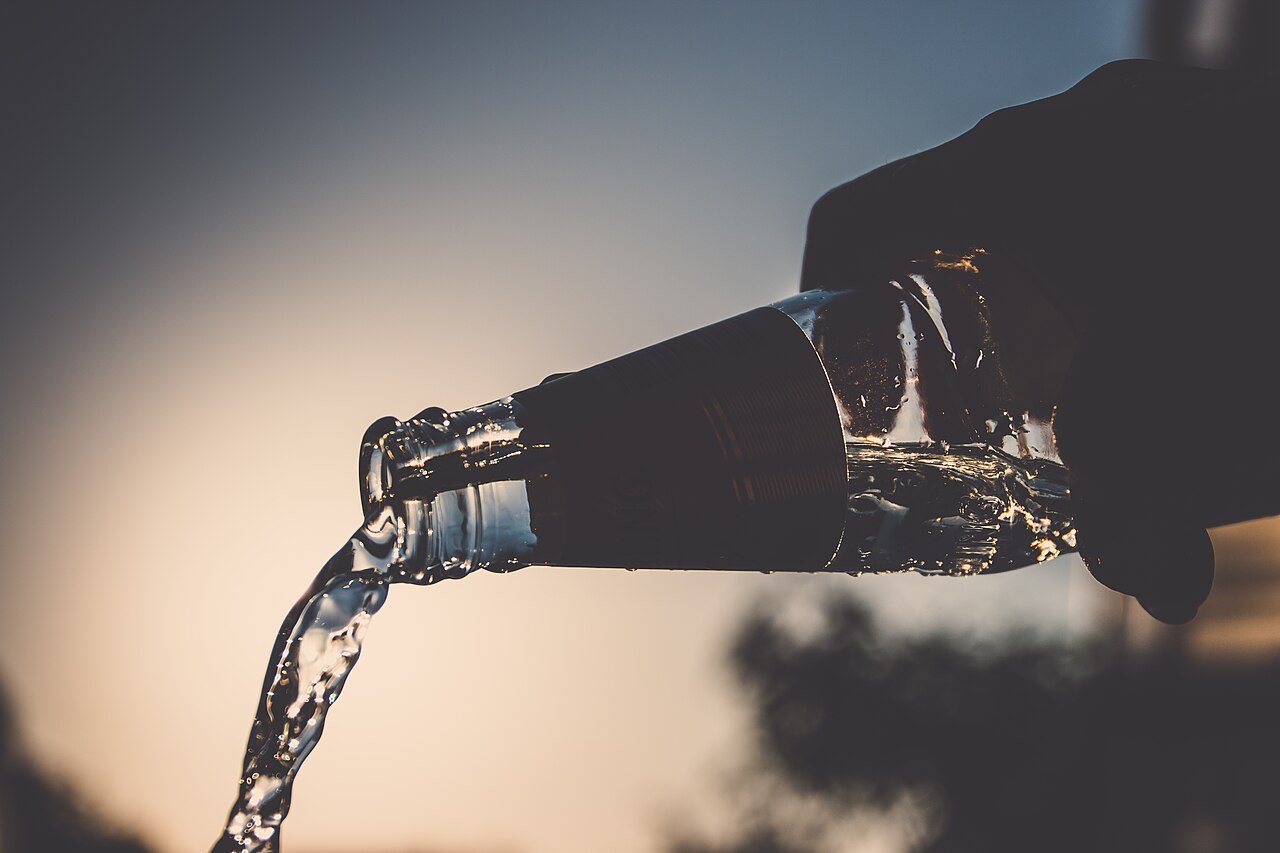
A knocked-over bottle is two problems at once: a possible stain and a scent that will not leave. Here is what to do on skin, wood, leather, fabric and in the car.
Quick look
- Perfume is alcohol, fragrance oils and often colourants; the alcohol evaporates but the rest can stain surfaces and leave a smell behind.
- Blot spills straight away rather than rubbing, and use cool rather than hot water, because heat can set stains into fibres.
- Match the method to the surface: mild detergent for wood, cool water and gentle cleaners for fabric, minimal moisture for leather.
- Pretest any cleaning product on a hidden spot, follow care labels and never mix bleach with vinegar or other acidic cleaners.
- If a child swallows perfume, get medical help quickly and take the bottle with you so staff can see what it is.
A bottle tips over and you have two problems at once. The liquid can mark whatever it lands on, and the scent can hang around long after the puddle has dried. Perfume looks harmless, but it is a mix of alcohol, fragrance oils and often colourants, and each of those behaves differently on skin, wood, fabric and leather. The good news is that quick, calm action deals with most spills before they become permanent.
The first two minutes matter most
Whatever the surface, the opening moves are the same.
- Stand the bottle up and cap it, so the spill does not grow.
- Blot the liquid with a white cloth or paper towel, lifting rather than wiping.
- Work from the outside of the spill inwards so you do not spread it.
- Do not scrub, apply heat or pour water straight onto the spill. On textiles, water and aggressive treatment can spread the mark or leave rings, and heat can set a stain deep into the fibres.
Once the excess is gone, the method depends on what the perfume has landed on.
| Surface | Do this first | Avoid |
|---|---|---|
| Skin | Wash with warm water and mild soap, then pat dry | Scrubbing, or layering products over the spill |
| Wood and varnish | Wipe straight away with a barely damp, non-abrasive cloth | Leaving it to dry; harsh or abrasive cleaners |
| Fabric and carpet | Blot, then sponge with clear, cool water | Hot water, overwetting, vigorous brushing |
| Leather | Blot, then wipe with a barely damp cloth | Soaking the leather; strong solvents |
Why one spill is really two problems
Perfume is mostly alcohol, and alcohol evaporates fast, which is why a spill can seem to vanish within minutes. What it leaves behind is the problem. Colourants and fragrance oils stay on the surface or soak into fibres, where they can cause discolouration, a dull haze or a greasy film. On textiles, the oils and colourants can leave a visible ring as well as an odour, and pale carpets show it most.
So you are doing two separate jobs. The first is lifting the residue that could stain. The second is clearing the scent, which usually means washing or airing whatever has absorbed it. Hard surfaces release smells easily; soft ones hold onto them.
If it has spilled on your skin
Perfume is made for skin, so a spill usually needs nothing more than a wash with warm water and mild soap. Pat dry rather than scrubbing.
Skin can react to fragranced products, especially if it is sensitive. Perfumed soaps and shower gels are known to irritate some people, and a reaction can be irritant, where the substance directly damages the outer layer of skin, or allergic, where the immune system responds, often after repeated exposure. If a patch goes red, itchy or sore after a spill, what to do if perfume irritates your skin covers the next steps.
Safety check: If a child swallows perfume, treat it as urgent. Act quickly and get the child to A&E if you think they have swallowed something harmful, and take the bottle or packaging with you so staff can see what it is.
Wooden furniture and varnished surfaces
Wipe up as much as you can straight away with a non-abrasive cloth and warm water. Perfume sits on the watch-out list for painted and polished furniture, alongside red wine and oil, so speed matters. For a stubborn mark, a small amount of detergent on a soft sponge is usually enough.
Varnished and coated surfaces need particular care. The alcohol in perfume can dull the finish or cause a loss of shine, and harsh or wrongly chosen cleaners make that worse rather than better. Stick to mild methods, and pretest any product on a hidden spot such as the back of a leg or an underside.
If a mark remains on oiled, stained or varnished wood, one established method is to rub the stain with a little denatured alcohol, follow with a liberal application of boiled linseed oil, and repeat if the stain persists. Once everything is clean and thoroughly dry, buff with a beeswax polish. That restores sheen and adds a fresh protective layer of wax into the bargain.
Leather bags, jackets and car seats
Leather finishes vary, so there is no single answer, but the principles are consistent. Blot the spill at once, wipe with a cloth barely dampened with warm water, and do not soak the leather. Let it dry naturally, away from direct heat or strong sunlight. Check the care label or the maker’s instructions before using any cleaner, and always test on a hidden area such as the base of a bag or inside a seam.
In the car, treat each material separately. Hard plastic trims wipe clean with a damp cloth and a little mild detergent. Fabric seats respond to the same approach as upholstery, described below. Leather seats get the bag treatment: minimal moisture, mild products, no soaking. Because cars hold smells, leave the windows open for a while afterwards to let everything air out.
Fabric, upholstery and carpets
Start with the basics that work on nearly all textiles.
- Blot the excess with an absorbent cloth or paper towels.
- Sponge the mark with clear, cool water. Cool rather than warm, because heat can set stains into fabric.
- Apply a fabric spot cleaner following the directions on the container, pretesting on a hidden area first to check colourfastness.
If a stain survives that, the specialist route is a solution of one part glycerin, one part white dishwashing detergent and eight parts water. Apply it sparingly, press an absorbent pad dampened with the solution over the mark, and check from time to time to see whether the stain is lifting. When it has gone, sponge with clear water and blot thoroughly, then let the fabric dry.
On carpet, sponging with rubbing alcohol can shift a stubborn mark. Keep an absorbent pad moist with alcohol over the stain until it lifts, then flush with water and allow it to dry. Two cautions matter here. Alcohol damages acetate, triacetate, modacrylic and acrylic fibres, so dilute it with two parts water on acetate. And avoid overwetting carpet or upholstery, because solvents and excess liquid can destroy carpet backing and the foam padding inside furniture. Work in a well-ventilated space and keep alcohol away from any open flame.
Anything washable follows the normal rules for perfume on clothes: rinse well, use a cool cycle and skip bleaching agents on darker fabrics. Our guide to perfume stains on clothes walks through the washing steps in detail.
Clearing the scent from the room
The alcohol carries the scent around the room and then evaporates, but the fragrance oils settle onto surfaces and textiles, which is why the smell outlives the puddle.
- Open windows and doors and let air move through properly.
- Sprinkle bicarbonate of soda over carpet, leave it for a few hours, then vacuum. Bicarb is a capable odour absorber as well as a general cleaner.
- Wash what has absorbed the scent: cushion covers, throws, bedding and curtains, following their care labels and rinsing thoroughly so no detergent remains.
- Wipe hard surfaces, including tables, shelves and floors, with a mild detergent solution, since the oils settle on them too.
- Bin any tissue, paper or packaging that got soaked.
How long the smell lingers also depends on the perfume itself, because some fragrance oils soak in more deeply and cling more stubbornly than others.
One final note. If you keep smelling perfume in a room after every source has gone, and nobody else can smell it, that is a different issue. Smelling things that are not there is a recognised condition called phantosmia, and it can come and go or persist. It is worth mentioning to a GP if it does not settle.
When a spill has caused lasting damage
Most spills end happily if you move fast, but not all damage can be undone at home. The fragrance oils in perfume can leave a permanent greasy film or shine on floors and furniture, and colourants can shift the shade of pale fabrics. Watch for these signs:
- A dull patch or loss of shine on varnished wood that cleaning does not restore. Wax polish may improve the sheen, but deeper damage may need a furniture restorer.
- A ring on wood that has darkened past the polish layer, which suggests the liquid penetrated through to the wood itself.
- A visible colour change on carpet or upholstery that survives two or three careful cleaning attempts.
At that point, a professional cleaner or restorer is usually cheaper than replacing the item, so ask before writing anything off. To make the next spill less likely, store bottles upright, keep caps tight and keep them on a tray, so a drip lands on the tray rather than the sideboard.
For more, see What to Do If Perfume Stains Your Clothes and What to Do If Perfume Irritates Your Skin.
Ask away
Does spilled perfume stain permanently?
It can. The alcohol evaporates quickly, but the fragrance oils and colourants left behind can cause discolouration, a dull haze or a greasy film. Fast blotting and the right cleaning method for the surface prevent most permanent marks.
Can I use bleach to clean up a perfume spill?
Chlorine bleach is rarely the right choice here because it can discolour fabrics and damage surfaces. Never mix bleach with vinegar, limescale removers or other acidic cleaners, as this can produce harmful gases.
Why can I still smell perfume days after cleaning it up?
Fragrance oils settle into soft furnishings and textiles long after the liquid has gone. Ventilate the room, wipe hard surfaces and wash what you can. If the smell persists with no source and nobody else notices it, mention it to your GP.
Is spilled perfume harmful to skin?
Usually it just needs washing off with warm water and mild soap. Perfumed products can irritate some people’s skin, though, so watch for redness or itching and seek medical advice if a reaction does not settle.
This article is general information, not medical advice. For skin, scalp or allergy concerns, speak to a pharmacist, your GP or a dermatologist. In an emergency, call 999.