
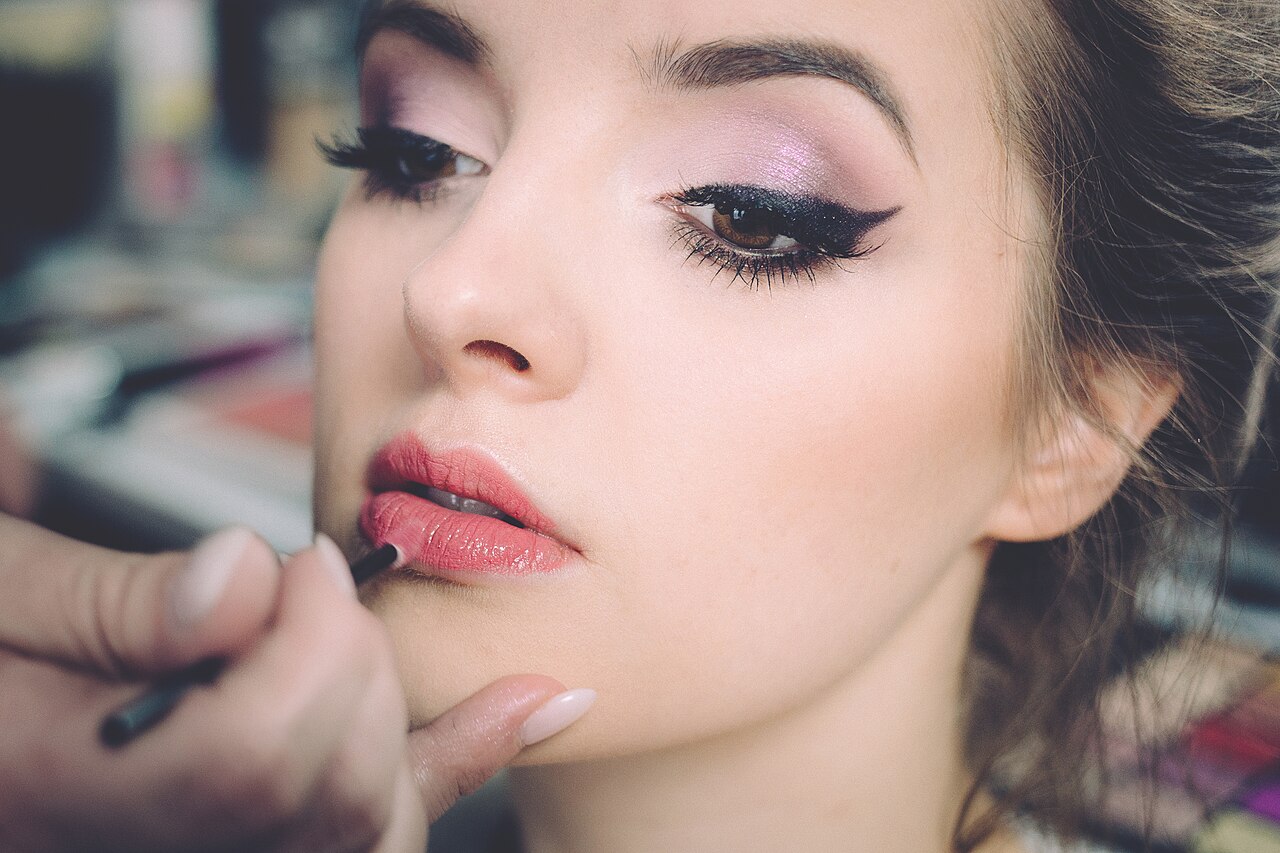
Common bridal makeup claims, from year-ahead bookings to airbrush or nothing, checked against what professional makeup artists actually say.
Quick look
- There is no single booking deadline; many artists offer budget-friendly packages, and it is the trial date worth securing early.
- Traditional makeup photographs just as well as airbrush when applied professionally, and suits dry or textured skin better.
- Longevity comes from primer, setting powder and setting spray, which can carry a look for up to 16 hours, not from heavy layers.
- Trials let you test products, check the look lasts hours and settle airbrush versus traditional on your own skin.
- Test any new products weeks before the wedding and prepare skin in advance rather than trying something new days out.
Wedding makeup advice tends to arrive with a price tag attached. Between “book a professional the moment you get engaged” and “airbrush or nothing”, it is easy to spend money on things that will not actually change how you look in photos. The claims below come up again and again, and most of them fall apart under scrutiny from working makeup artists. Here is what is worth paying for, and what is not.
Myth: You Must Book Professional Makeup a Year in Advance
There is no universal booking deadline for wedding makeup. Some artists fill their diaries well ahead for popular summer weekends, while others have space much closer to the date, so the only reliable approach is to ask the artists you like about availability early rather than assume everyone works the same way. It is also worth knowing that many makeup artists offer budget-friendly options without compromising on quality, so comparing a few quotes beats assuming wedding makeup automatically means a fortune.
Where planning ahead genuinely earns its keep is your skin. Working with a makeup artist on a skincare routine in the months before the wedding means your skin is not being introduced to something new a few days before, and you actually get to see results. Secure the trial date, ask about prices up front, and ignore anyone who claims there is a single correct booking window.
Myth: Airbrush Makeup Is the Only Photo-Safe Option
Airbrush sounds high-tech, and the price usually reflects it. The technique uses a small air compressor attached to a sprayer gun, which pushes a thin, water-based foundation onto the skin as a fine mist for an even, natural finish. Done well, it photographs beautifully.
But traditional makeup, applied with brushes, sponges or fingers, is equally photo-ready when applied professionally, because both methods rely on the same supporting products for staying power. Coverage with airbrush is adjustable too: a skilled artist can go from sheer to full using the trigger and the air pressure setting.
There is also a skin-type catch. Airbrush can struggle with dry or textured skin, while traditional application allows more flexibility and layering, which suits people with specific skin concerns. Traditional foundation also comes in far more shades and formats, from light liquids to creams and powders. If finding your base shade is a struggle at the best of times, our guide to finding your foundation shade is worth a read before the trial so you can discuss options with confidence. The right question is not “airbrush or nothing” but “which technique suits my skin”.
Myth: Waterproof Everything, All Day
Longevity does not come from the word waterproof on every label. Both airbrush and traditional application are designed to last all day when paired with a face primer, setting powder and setting spray, which work together to lock makeup in place for as long as 16 hours of wear. Airbrush formulas themselves are waterproof and stand up to tears and sweat, while traditional foundation is not, so it needs the occasional touch-up and can rub off onto clothing.
That does not mean stocking up on waterproof versions of every product you own. It means choosing long-wear formulas where they matter most, such as mascara, and relying on setting products for the rest. Whichever base you choose, blot tears and sweat with a tissue instead of wiping them away, because rubbing disturbs even stubborn makeup.
Little trick: Blot, do not wipe. Pressing a tissue to tears or sweat keeps the base makeup underneath undisturbed, whatever foundation you are wearing.
Myth: You Need a Brand-New Kit for the Day
The idea that wedding makeup requires a shelf of new products is expensive and, honestly, a bit risky. Professional artists bring their own range of products on the day, chosen to suit your skin. If you are doing your own makeup, the safest plan is the opposite of a shopping spree: use products you already know work on your face, and test anything new weeks before, ideally at the trial, so a reaction or a bad shade match does not happen on the morning itself.
If you are digging out old favourites, check they are still in date. Makeup does not keep forever, and our guide to how long makeup lasts explains how to read the open-jar symbol. Clean tools matter too, because dirty brushes and sponges affect both the finish and the skin underneath; our guide to cleaning makeup brushes and sponges walks through the basics. Money saved here can go towards the things that genuinely change the outcome, like a trial.
Myth: Heavy Makeup Photographs Better
This one refuses to die, and it costs brides dear in comfort. Heavy makeup can end up looking cakey and unnatural both in person and in photos. It is true that a little extra definition helps under bright lighting, but that does not mean piling on product; the best bridal makeup strikes a balance between natural features and photo-ready enhancements. How heavy your makeup should feel is dictated by your own skin type and the finish you want, not by what other people tell you. Great lighting and a skilled photographer do more for your pictures than a thicker base ever will.
Myth: Wedding Makeup Should Look Exactly Like Your Everyday Look
Feeling like yourself matters, but wedding days bring bright lighting, photography and emotional moments that everyday makeup was never designed to handle. A slightly more defined eye or a bolder lip on camera can be the difference between looking washed out and looking like yourself. That said, the goal is the best version of you, not someone unrecognisable; a good artist enhances natural beauty rather than masking it. If your usual routine is quick and simple, our five-minute everyday makeup routine makes a useful baseline: your wedding look is that routine, polished and extended, not a different face.
Myth: False Lashes Are Compulsory for the Photos
False lashes can add definition and depth, but they are not essential for everyone. If you never wear lashes and know they would feel uncomfortable, there are other ways to open up the eyes, from individual or lightweight cluster lashes for a softer effect to good mascara on its own. Buying a full strip lash you will spend the day resisting the urge to tug at is money spent on discomfort. Comfort and confidence count for more than ticking off a bridal checklist.
Myth: Trial Runs Are a Waste of Money
Skipping the trial looks like an easy saving, and it is the decision many brides regret. A trial lets you test out your desired look, address potential issues, make sure you and the artist are on the same page, and see how the makeup and hair hold up over several hours. It is also where you test products on your actual skin and check that everything works with your dress, venue and overall theme.
If a decision such as airbrush versus traditional is on the table, the trial is the sensible place to settle it, because seeing each technique on your own skin beats reading opinions online. Think of the trial fee as insurance on a much bigger spend, not an optional extra.
Myth: You Should Arrive with Dirty Hair for Styling
The slightly greasy hair myth persists, but clean hair is the better canvas for most bridal styles. Freshly washed and properly prepped hair gives that light, airy texture many wedding styles need, while product build-up and natural oils can make hair harder to work with. Ask your stylist how and when to wash your hair before the day. It costs nothing and saves time on the morning itself.
What Actually Matters for a Long-Lasting Wedding Look
Strip away the myths and a few things keep coming up:
- Formulas that suit your skin type. Long-lasting makeup is about the right techniques and products for your skin, not maximum layering.
- A good base and proper setting. Primer, setting powder and setting spray are what carry a look through a full day of hugs, tears and dancing.
- Skin prepared in advance. A skincare routine agreed months ahead beats last-minute experiments, and makeup cannot fix every skin concern on its own.
- A look that will age well. Trends come and go, but your wedding photos last; extreme contouring and bold glitter dates quickly, so a look that enhances your natural features is the safer bet. Bold colour is not off limits, though: if bright lips or statement eyeliner feel like you, wear them, choosing shades that complement your dress and skin tone.
- Small habits on the day. Blot rather than wipe, skip foundation with SPF for photos because it can cause a white cast in flash pictures, and keep touch-up products nearby if your base is traditional.
None of this needs a bigger budget. It needs a bit of questioning, one honest trial, and products chosen for your skin rather than for the label on the box.
Ask away
Do I really need airbrush makeup for good wedding photos?
No. Both airbrush and traditional application give photo-ready results when done professionally. Traditional makeup offers more shades and layering options, which helps if your skin is dry or textured.
How far in advance should I book wedding makeup?
There is no fixed rule, so ask the artists you like about availability and prices early and book the trial. Starting a skincare routine months ahead is more useful than racing to sign a contract.
Can I do my own wedding makeup?
Some people do a great job themselves. If you go that route, use products you already know suit you, test anything new weeks before, and keep long-wear and setting products to hand.
Is waterproof makeup necessary for the whole face?
Not for everything. Long wear comes from primer, setting powder and setting spray, and waterproof formulas are most useful for mascara. Blotting tears rather than wiping protects any base.
This article is general information, not medical advice. For skin, scalp or allergy concerns, speak to a pharmacist, your GP or a dermatologist. In an emergency, call 999.