
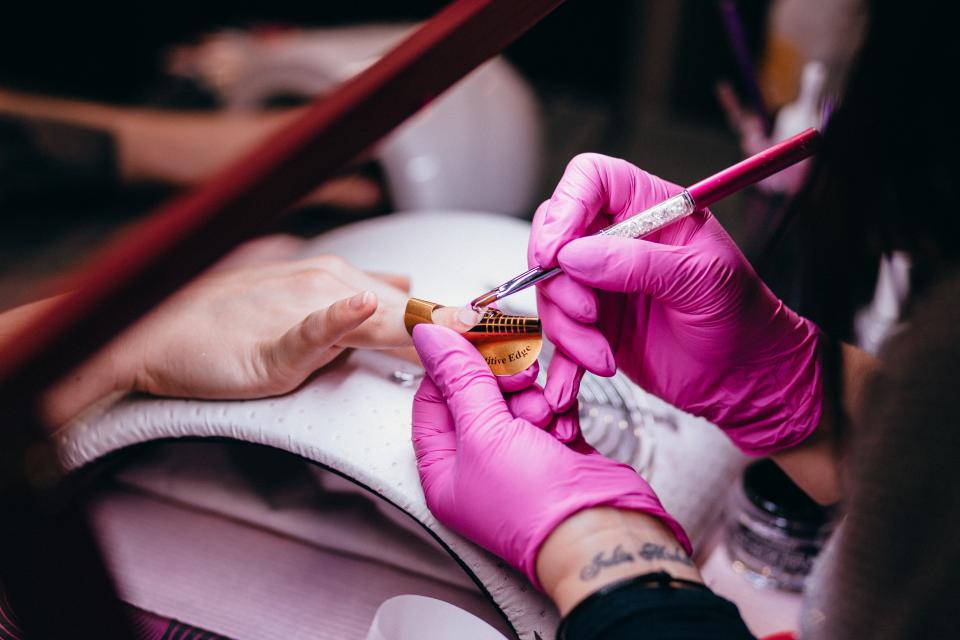
A plain-English guide to builder gel, from what it is and who benefits, to appointment expectations, UK prices and safe removal without wrecking your nails.
Quick look
- Builder gel is a thicker gel than ordinary polish that adds structure and strength to the natural nail, not just colour.
- Most salons quote three to four weeks of wear, longer than the two to three weeks typical of gel polish.
- It soaks off in acetone and needs no electric file; picking it off pulls away layers of the nail plate.
- It suits thin, weak or brittle nails, but anyone who has reacted to gel should speak to a GP before rebooking.
- Costs vary by salon; one UK salon charges £45 for a 70-minute builder gel manicure.
Builder gel has become one of the most requested nail services in British salons, often under the name BIAB. It promises weeks of chip-free colour and, unlike ordinary gel polish, actual strength for nails that bend and break. It also sits in a confusing corner of the beauty world, surrounded by gel polish, hard gel and acrylics, and those differences matter when you are deciding what to book. Here is what builder gel is, what the appointment involves and how to get it off safely.
What Builder Gel Actually Is
All gel nails have one thing in common: the product hardens under a UV or LED lamp instead of drying in the open air the way ordinary polish does. That curing step is what produces gel’s glossy, chip-resistant finish, and it explains why a well-applied gel manicure holds up for weeks rather than days.
Builder gel is a thicker, stronger version of the gel used in ordinary gel polish. The extra thickness lets a technician build structure onto the natural nail, reinforcing it at the point where it bends most. Nail techs call that reinforced ridge the apex, and building one is what separates a structured builder gel manicure from a plain colour overlay. Done well, that support helps nails grow longer with less chipping and splitting along the way.
You will also see the name BIAB, short for Builder In A Bottle. That is a brand name for one builder gel system rather than a separate category of product. BIAB and similar systems come in a bottle with a brush and are applied much like gel polish, just in thicker layers; other builder gels come in pots and are scooped out with a brush instead. One thing they share: these are professional products. You cannot buy them and apply them yourself at home, so a salon visit is the only route.
Builder Gel vs Gel Polish vs Hard Gel
Gel polish is colour only. It sits on the nail and adds no strength, which is why it can chip or bend along with the nail underneath. Builder gel carries the colour but also adds structure, so it lasts longer and copes better with thin or weak nails. Hard gel is a different product again: once cured it is rigid, it does not dissolve in acetone, and taking it off means a technician filing it away with care. Acrylics sit in their own corner of the market; one manicurist describes builder gel as strong and durable like acrylic, but with a lightweight, natural finish closer to gel.
| Gel polish | Builder gel | Hard gel | |
|---|---|---|---|
| Main job | Colour only, adds no strength | Structure and strength, carrying the colour | Rigid reinforcement and extensions |
| Best suited to | Nails in reasonable condition | Thin, weak or brittle nails | Dramatic length and shapes |
| How it comes off | Acetone soak | Acetone soak, no electric file needed | Filed off by a technician |
Reputable salons will talk you through the options on the day, and our checklist for before you book a gel manicure covers the basics worth confirming first.
What Happens During the Appointment
A builder gel manicure starts like any other: nails shaped, cuticles tidied and the nail surface prepped so the product grips properly. Prep matters more than people expect. Builder gel is not a miracle coat that fixes poor preparation; applied too thin, or flooded over the cuticle, it behaves like a weak overlay and can lift within days.
The gel itself goes on in layers, with each layer hardened under the lamp before the next is applied. Many builder gels are self-levelling, meaning the product settles into an even layer on its own. Depending on the system, colour can be built in or added on top with gel polish, then finished with a top coat for shine. If you already have gel or builder gel on, removal needs to happen first, so book it as part of the appointment. If your existing product was applied at a different salon, message the new salon before booking so they can tell you what to add on.
Who It Suits and Who Should Skip It
Builder gel is a good match for a particular set of people:
- Anyone with thin, weak or brittle nails who wants colour that survives daily life.
- People who want natural-looking length without full extensions.
- Regular gel polish wearers whose colour chips early because the coating is too thin for their nails.
- Anyone who habitually picks off old polish. A supportive overlay is kinder than peeling, though the picking habit itself needs to stop.
Very thin or damaged nails can still be candidates. Some technicians use builder gel first to create a stronger base, then assess how the nail copes from there.
Others should pause before booking. If the skin around your nails has ever itched, blistered or peeled after gel or acrylic nails, that can point to an allergy to the ingredients in artificial nail products. The British Association of Dermatologists issued a warning in 2018 about what it described as an epidemic of these allergic reactions in the UK. Reactions can get worse with repeated exposure, so speak to your GP or a dermatologist before booking again.
Good to note: Allergic reactions to gel and acrylic nails tend to worsen each time the skin is exposed, so a past reaction is worth mentioning to your nail technician and checking with your GP about before you rebook.
How Long It Lasts and What It Costs
Most UK salons quote three to four weeks of wear for builder gel, which is longer than the two to three weeks typical for gel polish. Because the product is structured, it usually grows out rather than chipping, so the manicure tends to look tidy right up to the end of its wear.
Costs vary by salon and region, so treat this as an illustration rather than a going rate: one UK salon charges £45 for a 70-minute builder gel manicure. Rebooked every three to four weeks, that works out at roughly £11 to £15 a week for nails that hold their colour throughout. Check whether removal is included in the price or charged separately, because that changes the real cost of each visit.
Safe Removal, and Why Picking It Off Is a Bad Idea
Unlike hard gel, builder gel is designed to soak off. A technician removes it with an acetone soak, and if a peel-off base coat was used it may come away without a long soak at all. No electric file is needed, which is one of the quieter selling points of the product.
The same is not true of picking. Peeling or biting builder gel off pulls away the top layers of the nail plate along with the product, leaving nails thin, sore and prone to splitting. If the gel starts lifting at the edge, resist the urge to peel and book a removal instead. If a lifted edge has already caught and torn the nail, our guide to what to do if you tear a nail at home walks through first aid. The removal process itself follows the same principles as gel polish, and our article on mistakes to avoid when removing gel polish at home covers the ones that cause the most damage. Home removal is possible with the right products and patience, but a salon removal is quicker and gentler, particularly on a first set.
Questions to Ask Your Nail Technician
A few questions sort a good builder gel appointment from a disappointing one:
- Which system do you use, and is it soak-off? Hard gel and builder gel behave differently, and you want the one you actually asked for.
- Are you trained and insured in this specific system? Professional builder gels are sold to qualified techs only, so a good technician should answer without hesitating.
- Is removal included, or charged separately?
- Do you offer options for sensitive clients? Some brands make HEMA-free formulas, which some people with sensitivities prefer.
- What aftercare do you recommend? Keeping nails and cuticles moisturised between appointments helps the manicure look better for longer, and the habits in our 7 ways to make a home manicure last longer apply to builder gel too.
Ask those before you book and you will know whether the salon’s version of builder gel matches what you actually want from your nails.
Ask away
Is BIAB the same thing as builder gel?
BIAB stands for Builder In A Bottle and is a brand name for one builder gel system, not a separate product category. Other builder gels come in pots or different bottle formulas.
Can builder gel damage your nails?
Applied and removed properly, the product itself is not the problem. Damage usually comes from picking gel off or rushed removal, which tears away the top layers of the nail plate.
Can I remove builder gel at home?
Yes, builder gel soaks off in acetone and does not need an electric file. Take it slowly, and book a salon removal if you are unsure, especially on a first set.
How often should I rebook?
Most people rebook every three to four weeks, when the gel has grown out. If your existing gel was applied at another salon, message ahead so removal time can be added to the appointment.
This article is general information, not medical advice. For skin, scalp or allergy concerns, speak to a pharmacist, your GP or a dermatologist. In an emergency, call 999.