
Most couples pay for wedding makeup months before the day. Here is how to run a trial, compare quotes and check the small print so nothing surprises you later.
Quick look
- Most UK artists hold the trial after you book, and portfolios can be edited, so judge unedited trial work on your own face.
- Trials are commonly timed three to four months ahead, with around two hours allowed, and skin can behave differently by season.
- UK bridal makeup starts from around £150 and can reach £400, and the average 2026 spend on wedding hair and makeup is £811.
- Bookings made online or by phone carry a minimum 14-day cancellation period under the Consumer Contracts Regulations 2013.
- Get deposit, balance and cancellation terms in writing before paying, including who will actually do your makeup on the day.
Booking a makeup artist for your wedding is one of the larger beauty decisions you will make, and one of the easiest to get wrong before a single pound changes hands. Much of the money is paid months in advance, in deposits and staged balances, so it pays to understand the trial, the contract and the cancellation terms before you commit.
Why a Trial Matters More Than the Portfolio
A glossy portfolio is a starting point, not a guarantee. Editing apps and bright lighting change how makeup reads in photographs, so the polished pictures on a social feed may not reflect what the artist actually produces in the room. If every skin tone looks airbrushed smooth in every shot, that is worth noticing.
Most working artists hold the trial after you have secured your date rather than before. Their reasoning is sensible: the trial is a chance to build your perfect look with an artist you have already chosen, not an audition. If you are nervous and want to meet first, many will happily arrange a chat or an earlier trial, but you should not feel pushed into paying for trials with several artists as a screening exercise.
The goal of the trial is not to copy a photo exactly. Wedding makeup should photograph well, last a long day and still look like you, none of which a portfolio can fully show. Our guide to wedding makeup myths that cost you money covers some of the expensive assumptions brides bring to this stage.
What a Good Trial Should Include
Timing varies, but common advice puts the trial around three to four months before the wedding, roughly twelve to sixteen weeks ahead. Earlier than that, decisions like the dress, bridesmaid colours and the overall feel of the day may not be settled, and all of these influence the makeup. There is a seasonal point too: skin can behave differently in summer than in winter, so products may perform differently depending on when you test them.
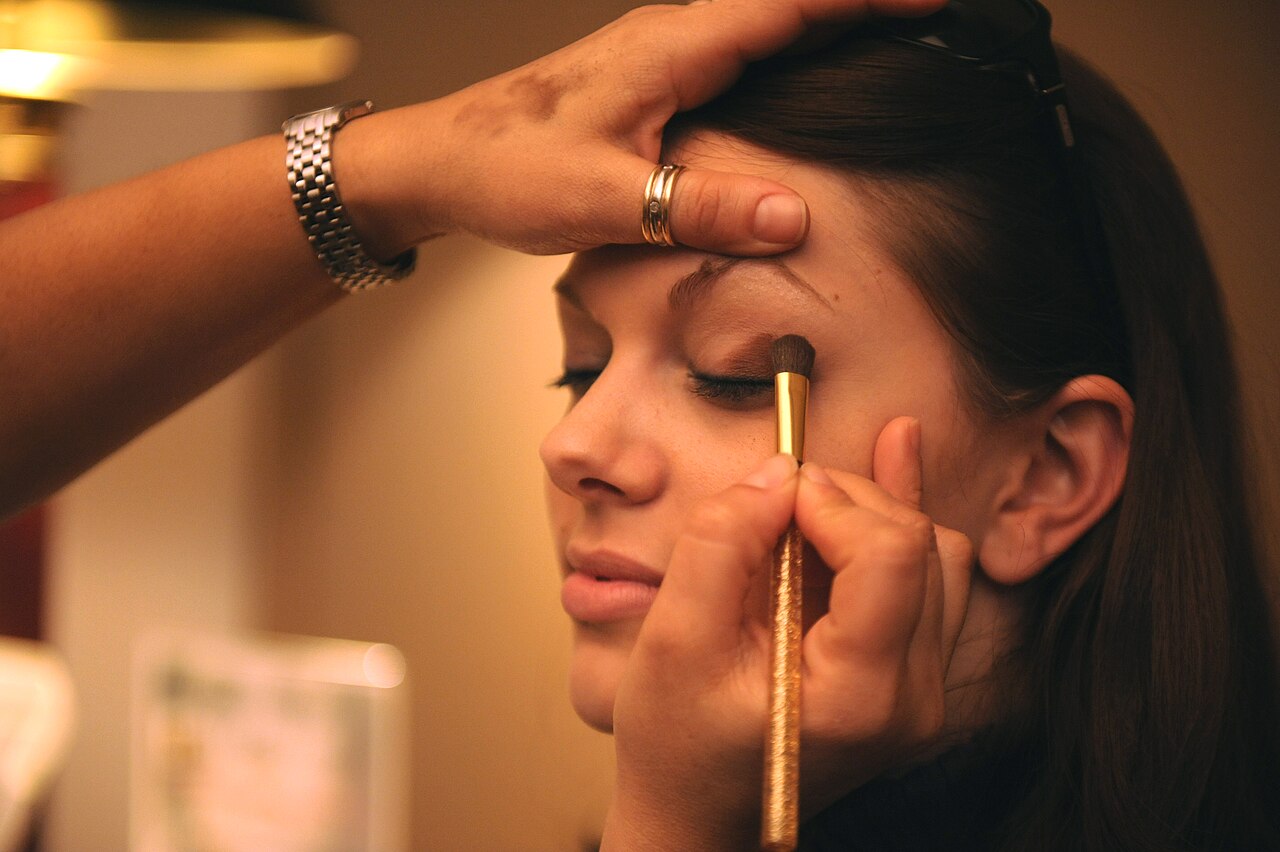
A good trial is a working appointment, and many artists allow around two hours so nothing feels rushed. Expect to:
- Arrive with a clean, moisturised face and no makeup on.
- Bring several inspiration photos rather than one exact picture, plus photos of yourself in makeup you have loved.
- Bring your own makeup bag, especially any lip products you plan to wear.
- Wear white or something close to your dress colour, and bring a veil, earrings or hair accessories if hair styling is being tried too.
- Mention any skincare treatments such as peels or laser, and leave healing time between those appointments and the trial.
If you plan to wear tan on the day, wearing the same shade at the trial helps the artist match your base properly. Shade matching is worth preparing for in its own right; our guide to finding your foundation shade will help you discuss the options with confidence.
Little trick: Where you can, book the makeup trial and hair trial, or a dress fitting, on the same day. Seeing everything together gives you a much better idea of how the finished look will come across.
Questions to Ask Before You Pay
Ask these before any money moves:
- How many looks can I try within one trial, and what happens if we need to tweak it again?
- Will you personally be doing my makeup on the day, or another artist from your team or salon?
- How long will makeup take on the wedding morning, and how does that fit the schedule?
- Does it cost extra for you to travel to the venue?
- How should I prepare my skin before the trial and the day?
- What is included in the price, and what counts as extra, such as lashes, touch-ups or an early start?
The second question matters most for salon bookings, because who applies your makeup determines whose work you are actually judging. Prices also vary widely: UK bridal makeup starts from around £150 and can reach £400 depending on the artist and the complexity of the look, so know what sits behind a quote before you compare them.
Deposits, Contracts and Your Cancellation Rights
According to Bridebook, the average UK spend on wedding hair and makeup in 2026 is £811, made up of £394 for makeup and £417 for hair. Most of that is secured with a deposit and paid in stages, so the terms you agree to matter as much as the price itself.
Terms differ between artists, so compare examples. One UK bridal team, for instance, charges a £100 non-refundable booking fee that is deducted from the final balance, sets a minimum spend of £450 for Friday to Sunday bookings and £400 for Monday to Thursday, requires the final balance 28 working days before the wedding, and waives cancellation charges only with 16 weeks’ notice or more. Travel within ten miles is included, with a per-mile fee beyond that. None of this is unusual, but you should know it before paying, not after.
Your formal rights depend on how you book. Under the Consumer Contracts (Information, Cancellation and Additional Charges) Regulations 2013, which came into force on 13 June 2014, contracts made online or over the phone come with a minimum 14-day cancellation period. The trader must give you certain information, including the price, how and when the service will be provided, the conditions for ending the contract and a standard cancellation form. If you ask the service to start within those 14 days, the artist can charge for work already done. If the required information was never provided, cancellation rights can be extended by up to a year. Contracts worth £42 or less are excepted, and the rules differ for bookings made face to face, so check the terms in writing either way.
Red Flags to Watch For
Some warning signs are worth acting on:
- Photos that look filtered or heavily retouched, which hide the artist’s true work.
- Verbal-only agreements, or a booking form that skips the price, deposit and cancellation terms.
- Vagueness about who will actually do your makeup on the day.
- Pressure to pay large sums before the trial or before any paperwork has been issued.
- No written confirmation of what happens if the artist cancels or falls ill on the day.
Any of these can usually be resolved by a simple conversation or a proper booking form. If an artist resists putting basic terms in writing, that resistance is itself the answer.
Getting Value Without Cutting Corners
The trial is the last thing to cut, because it protects everything you spend on the day itself. Better places to save are the extras around the look. A manicure a day or two before the wedding starts from around £30, and a spray tan from around £25, so doing your own nails with help from our guide to making a home manicure last longer can free up budget without changing the result. If you would rather book a salon, our checklist for booking a gel manicure lists what to confirm first.
The same logic applies to quotes. A higher price usually reflects experience, travel and kit quality rather than a guaranteed better result, so compare two or three artists and judge each on unedited trial work on your own face rather than on fee size or follower counts. Money spent on a thorough trial, clear written terms and a look you have already seen on yourself is better value than a bigger name booked blind.
Ask away
When should I book my bridal makeup trial?
Many artists suggest three to four months before the wedding, around twelve to sixteen weeks ahead. Your artist will usually get in touch to arrange it once your date is secured.
Can I cancel a wedding makeup booking and get money back?
If you booked online or by phone, the Consumer Contracts Regulations 2013 give you a minimum 14-day cancellation period, though the artist can charge for work already started. Terms for later cancellation vary, so check your contract.
Do I need a trial if I know exactly what I want?
If you are using an artist you already know and a look you have worn before, a trial may not be necessary. If you are trying a new artist or a new look, a trial is a worthwhile investment.
What should I bring to a makeup trial?
Arrive with a clean, moisturised face and bring several inspiration photos, your usual makeup bag and any lip products you plan to wear. Wear something close to your dress colour.
This article is general information, not medical advice. For skin, scalp or allergy concerns, speak to a pharmacist, your GP or a dermatologist. In an emergency, call 999.